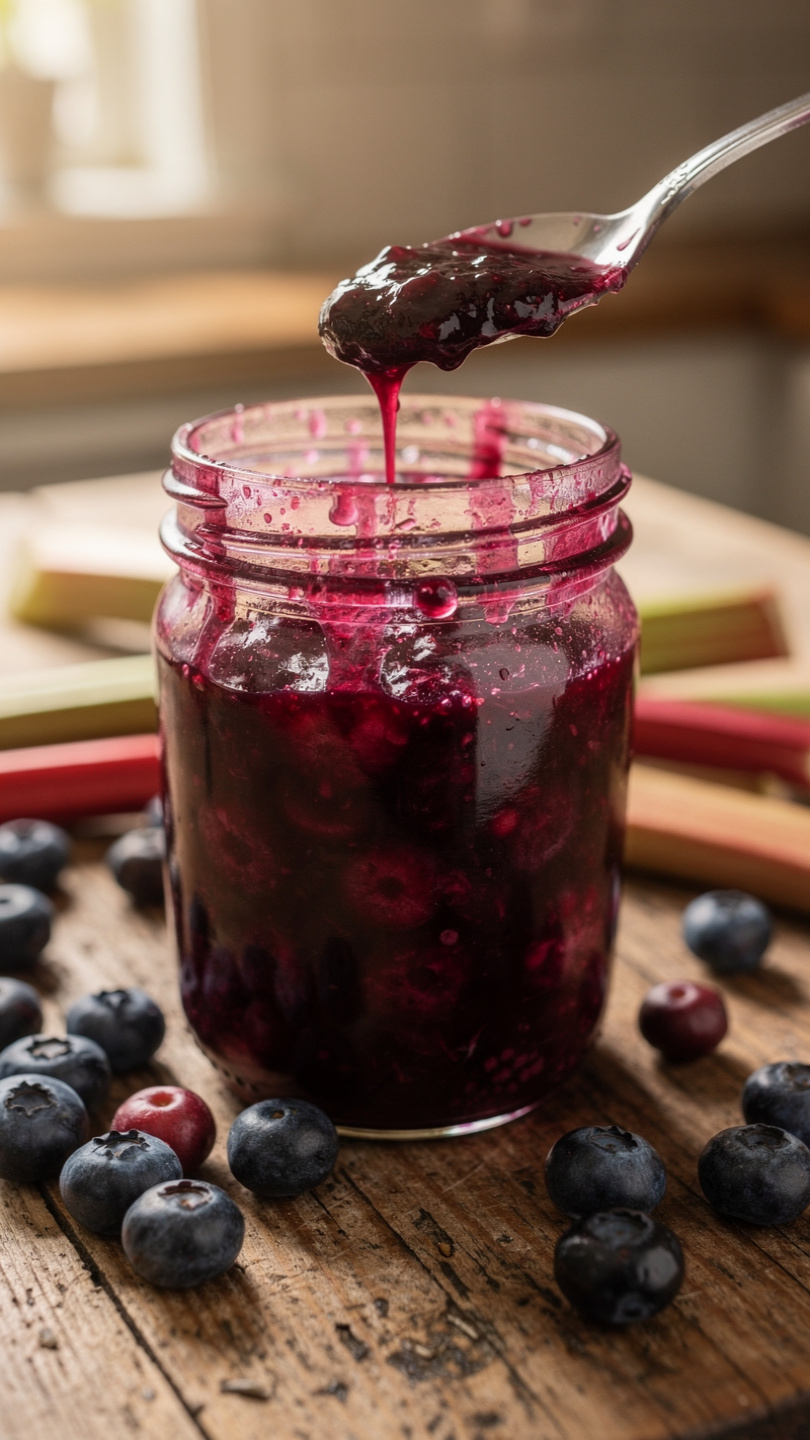
Blueberry Rhubarb Jam
This Blueberry Rhubarb Jam is a gorgeous, jewel-toned spread that balances sweet summer blueberries with the bright tartness of fresh rhubarb. Perfect for slathering on toast, swirling into yogurt, or gifting in beautiful jars.

The Berry-Tart Spread You Will Want on Everything
There is something genuinely magical about the moment blueberries and rhubarb meet in a hot pot. The deep, inky purple of the berries bleeds into the rosy pink of the rhubarb stalks, and within minutes your kitchen smells like the absolute best version of summer. This Blueberry Rhubarb Jam is sweet, tangy, and just complex enough to feel special, whether you are spooning it over a stack of buttermilk pancakes, stirring it into plain yogurt, or gifting a few jars to someone you really like.
Rhubarb has a short and glorious season, and if you have ever found yourself staring at a bundle of those dramatic crimson stalks at the farmers market wondering what to do with them, this is your answer. Paired with blueberries, the harshness of rhubarb softens into something bright and rounded. The two fruits are genuinely made for each other.
Before you get started, a good heavy-bottomed pot is the single most important piece of equipment here. Jam can scorch quickly, and a thin-bottomed pan will create hot spots that burn the sugars before the fruit has time to cook down properly. A reliable candy thermometer takes all of the guesswork out of hitting that perfect set point.
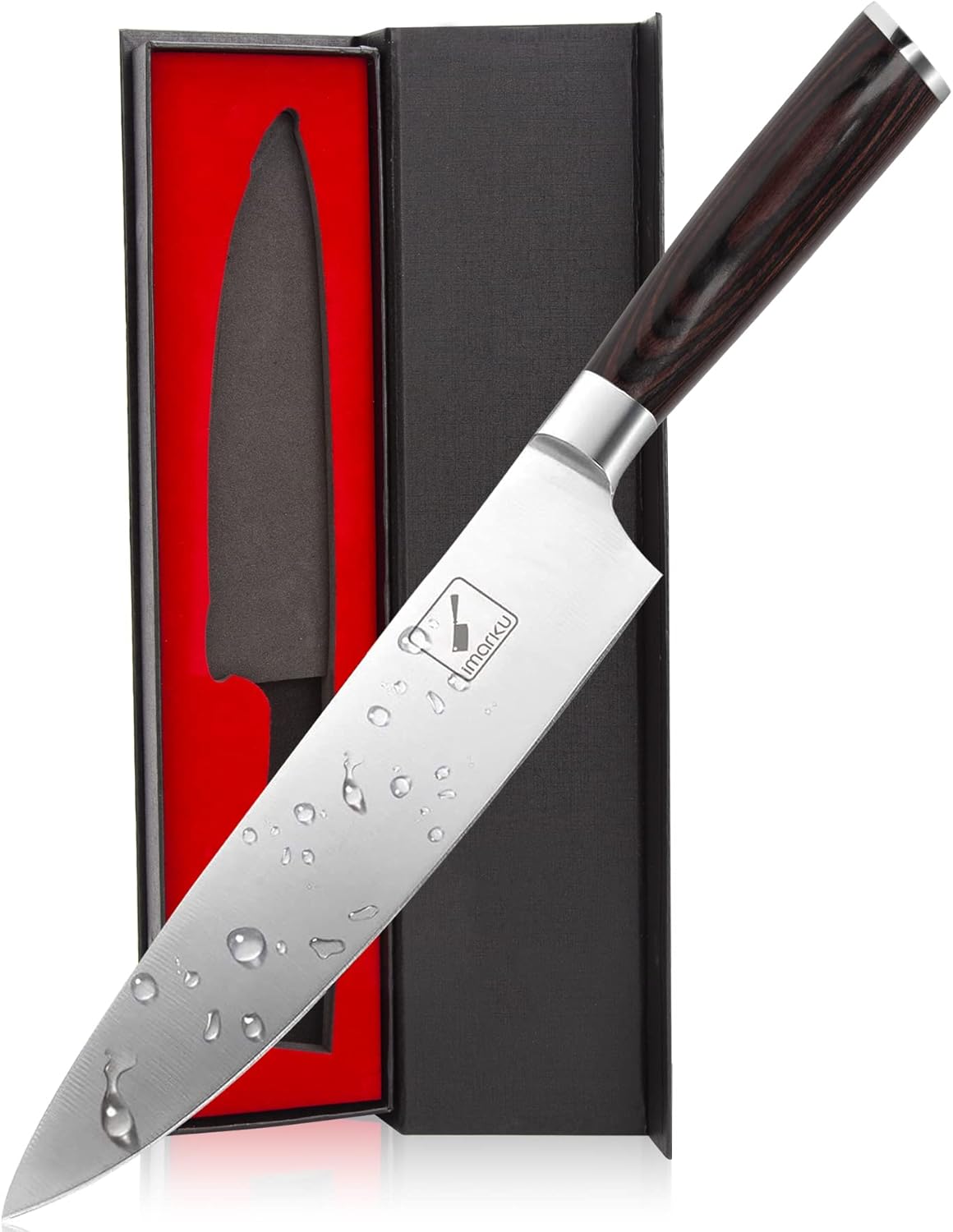
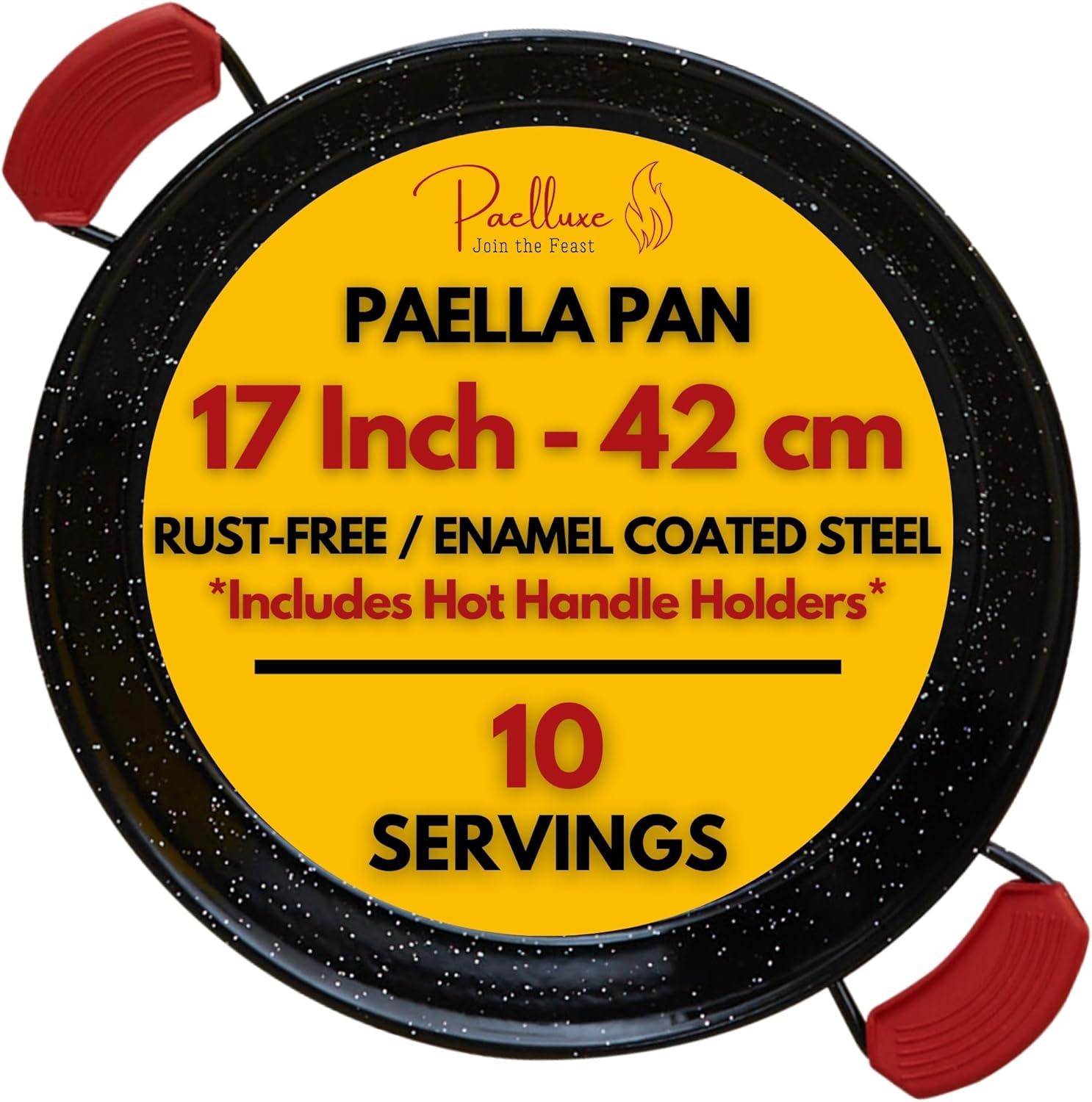
Tools & Ingredients We Recommend

What Makes This Jam So Good
A lot of blueberry jams lean sweet and one-dimensional. The rhubarb here acts as a natural corrective, bringing a bright, almost citrusy tartness that keeps every bite interesting. A little lemon juice and zest amplify that quality and help the color stay vivid rather than turning muddy as the jam cooks.
This recipe is also intentionally flexible. You can add a tablespoon of powdered pectin for a firmer, more spreadable set, or leave it out entirely and let the fruit's natural pectin do the work over a slightly longer cook time. Both approaches produce a gorgeous result.
Chef's Tip: Do not skip the cold plate test. Spoon a small amount of jam onto a plate you have kept in the freezer for a few minutes. Push it with your fingertip after 30 seconds. If it wrinkles and holds its shape, you are done. If it slides like syrup, give it another 5 minutes and test again.
Fresh vs. Frozen Fruit
If fresh rhubarb and blueberries are in season, use them. But frozen fruit is a perfectly legitimate option and produces nearly identical results. Do not bother thawing the fruit first. Simply add it straight to the pot. The extra liquid that comes off frozen fruit will cook down just like it would from fresh, and the flavor is essentially the same.
One practical note on the rhubarb: always trim and discard the leaves before cooking. Rhubarb leaves are toxic and should never be eaten. The stalks, however, are completely safe and absolutely delicious once cooked down with sugar.
Tips for Getting a Perfect Set
Jam that stays too runny is the most common frustration with homemade preserves. A few things will help you get it right:
- Use a large pot. More surface area means faster evaporation and a quicker, more reliable set.
- Cook at a real boil. A gentle simmer will not get you there. You want a full, bubbling, hard-to-stir-down boil.
- Be patient. The 30-minute mark is a general guide, but humidity, altitude, and the exact ripeness of your fruit all affect timing.
- Trust the thermometer. 220 degrees F is your target. At that temperature, the sugar concentration is exactly right for a proper gel.
Ready to make a batch? Here is everything you need:
Blueberry Rhubarb Jam
This Blueberry Rhubarb Jam is a gorgeous, jewel-toned spread that balances sweet summer blueberries with the bright tartness of fresh rhubarb. Perfect for slathering on toast, swirling into yogurt, or gifting in beautiful jars.
Ingredients
- 3 cups fresh blueberries, rinsed and picked over
- 2 cups fresh rhubarb, trimmed and cut into 0.5-inch pieces
- 2 1/2 cups granulated sugar
- 2 tbsp fresh lemon juice, from about 1 lemon
- 1 tsp lemon zest, finely grated
- 1 tbsp powdered pectin, optional, for a firmer set
Instruction
Combine the blueberries, rhubarb, lemon juice, and lemon zest in a large heavy-bottomed saucepan or Dutch oven. Stir to coat the fruit.
If using pectin, whisk it into the sugar before adding. Pour the sugar over the fruit mixture and stir well to combine.
Let the mixture sit for 10 minutes to allow the fruit to begin releasing its juices.
Place the saucepan over medium heat and stir frequently until the sugar dissolves completely, about 5 minutes.
Increase the heat to medium-high and bring the mixture to a full rolling boil, stirring constantly.
Reduce heat to medium and cook, stirring often, for 25 to 35 minutes, until the jam thickens and reaches 220 degrees F (104 degrees C) on a candy thermometer. Skim any foam off the surface as needed.
To test for doneness without a thermometer, place a small spoonful of jam on a chilled plate. After 1 minute, push it with your finger. If it wrinkles and holds its shape, the jam is ready.
Remove from heat. For a smoother jam, use a potato masher or immersion blender to break down any remaining chunks to your liking.
Carefully ladle the hot jam into sterilized jars, leaving 0.25-inch headspace. Wipe the rims clean, seal with lids, and process in a boiling water bath for 10 minutes for shelf-stable storage, or let cool and refrigerate for up to 3 weeks.
Equipment
- Large heavy-bottomed saucepan or Dutch oven
- Wooden spoon or heat-resistant silicone spatula
- Candy thermometer
- Potato masher or immersion blender
- Ladle
- Sterilized mason jars with lids
- Canning funnel (optional)
- Large pot for water bath canning (optional)
Notes
Serving Ideas and Gifting
Beyond the obvious toast and biscuits, this jam is surprisingly versatile. Try it swirled into overnight oats, spread over a wheel of warm brie, dolloped onto a classic cheesecake, or whisked into a vinaigrette for a summer salad with goat cheese and arugula.
For gifting, pour the finished jam into small 4-ounce jars, add a simple hand-written label, and tie a piece of twine around the lid. Homemade jam is one of the most genuinely appreciated gifts you can give, and a batch this size means plenty to keep and plenty to share.