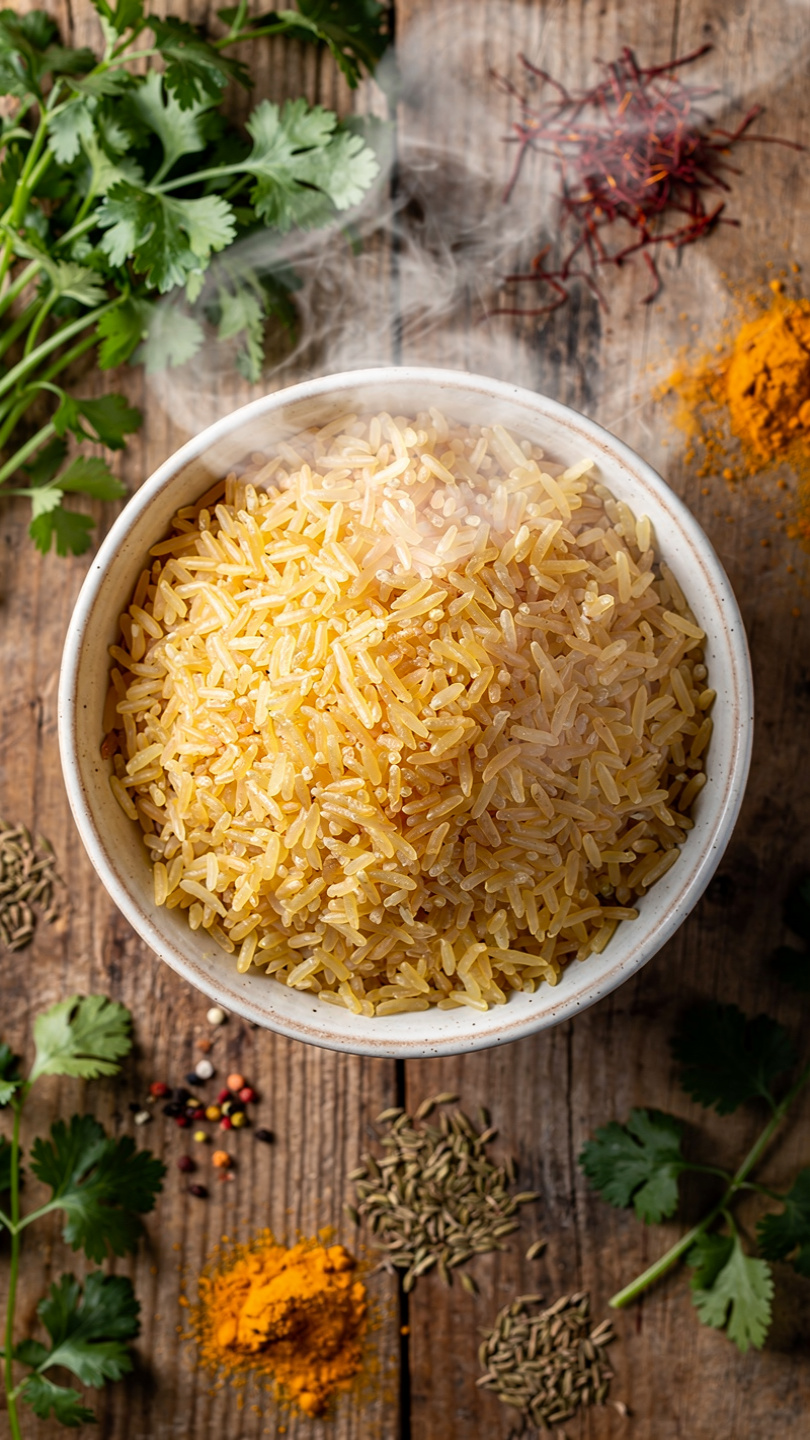
Perfect Basmati Rice (Stovetop Method)
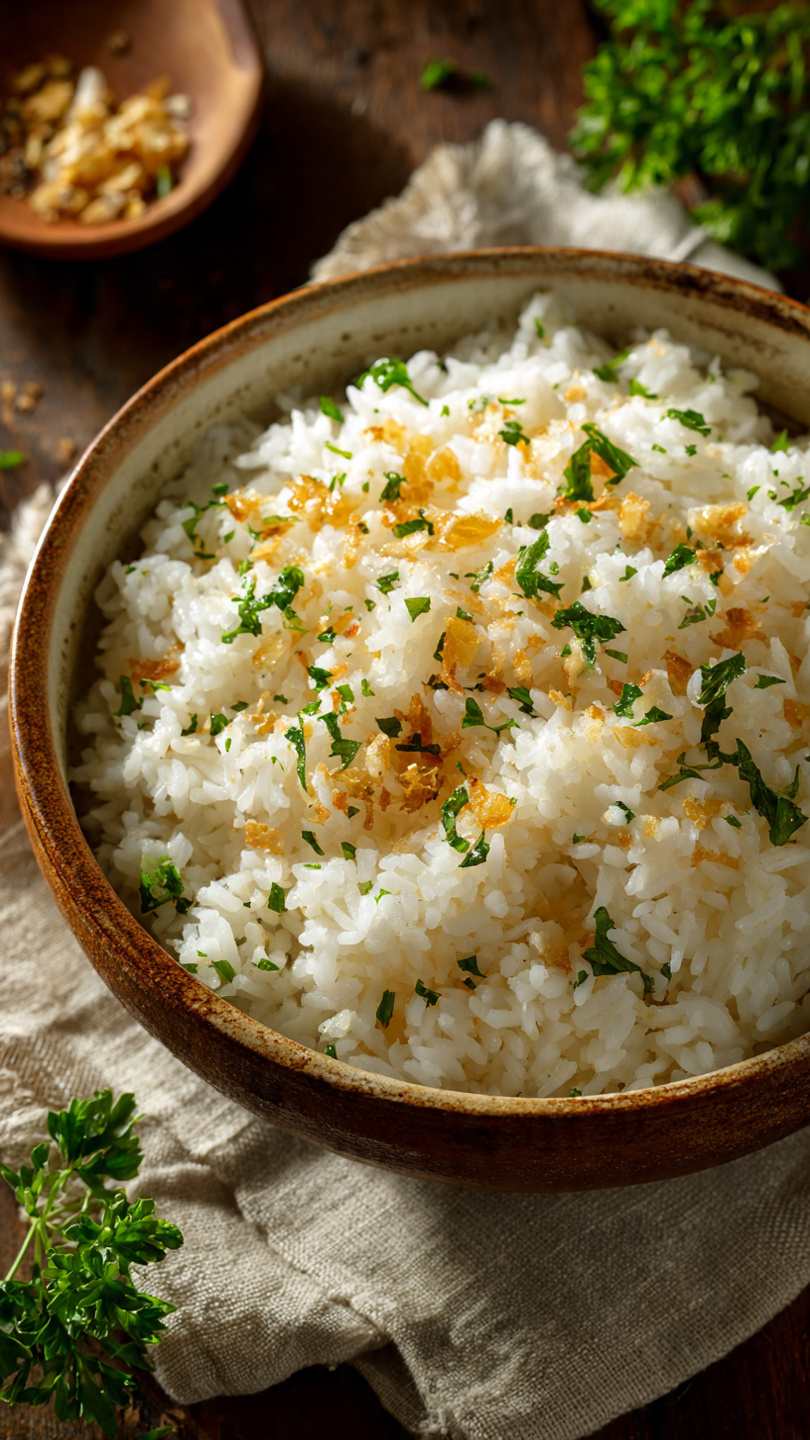
Learn how to cook perfect basmati rice on the stovetop every single time, fluffy, fragrant, and never sticky. This foolproof method works for Indian, Middle Eastern, and coconut rice recipes alike.

The Secret to Truly Fluffy Basmati Rice, Every Single Time
If you have ever pulled the lid off your pot hoping for long, separated, fragrant grains and found a sticky, clumped-together mess instead, you are not alone. Getting perfect basmati rice on the stovetop is one of those deceptively simple things that trips up even confident home cooks. But once you understand the why behind each step, it becomes completely foolproof.
This recipe covers everything: a plain, everyday basmati rice stovetop method, a lightly spiced masala rice version, and tips that cross over into coconut rice and Arabic rice recipes too. Whether you are making a simple weeknight veg rice recipe or prepping the base for an elaborate Indian or Middle Eastern spread, this is the only guide you will ever need.
Using the right pot and a quality bag of aged basmati makes a genuine difference in the final texture and aroma of your rice. A heavy-bottomed pan with a truly snug lid traps steam evenly, and aged basmati (look for grains that are extra long and ivory-white) cooks up noticeably fluffier than younger varieties.
Tools & Ingredients We Recommend



Why Rinsing and Soaking Is Non-Negotiable
The two steps most people skip are rinsing and soaking, and they are also the two steps that matter most for perfect basmati rice stovetop results.
Rinsing washes away excess surface starch, which is the primary culprit behind gummy, sticky rice. Run cold water through your rice until it runs mostly clear, about three or four passes through a fine mesh strainer.
Soaking for 30 minutes lets the grains hydrate slightly before they hit the heat. This has two big payoffs:
- The grains elongate more during cooking, giving you that classic long-grain look
- The overall cook time shortens, meaning less risk of over-cooking
Chef's Tip: If you are making a simple rice recipe in a hurry, even a 15-minute soak beats skipping it entirely. Plan around it by starting your soak before you prep anything else.
Building Flavor: Plain Rice vs. Masala Rice vs. Coconut Rice
One of the beautiful things about this base recipe is how easily it adapts.
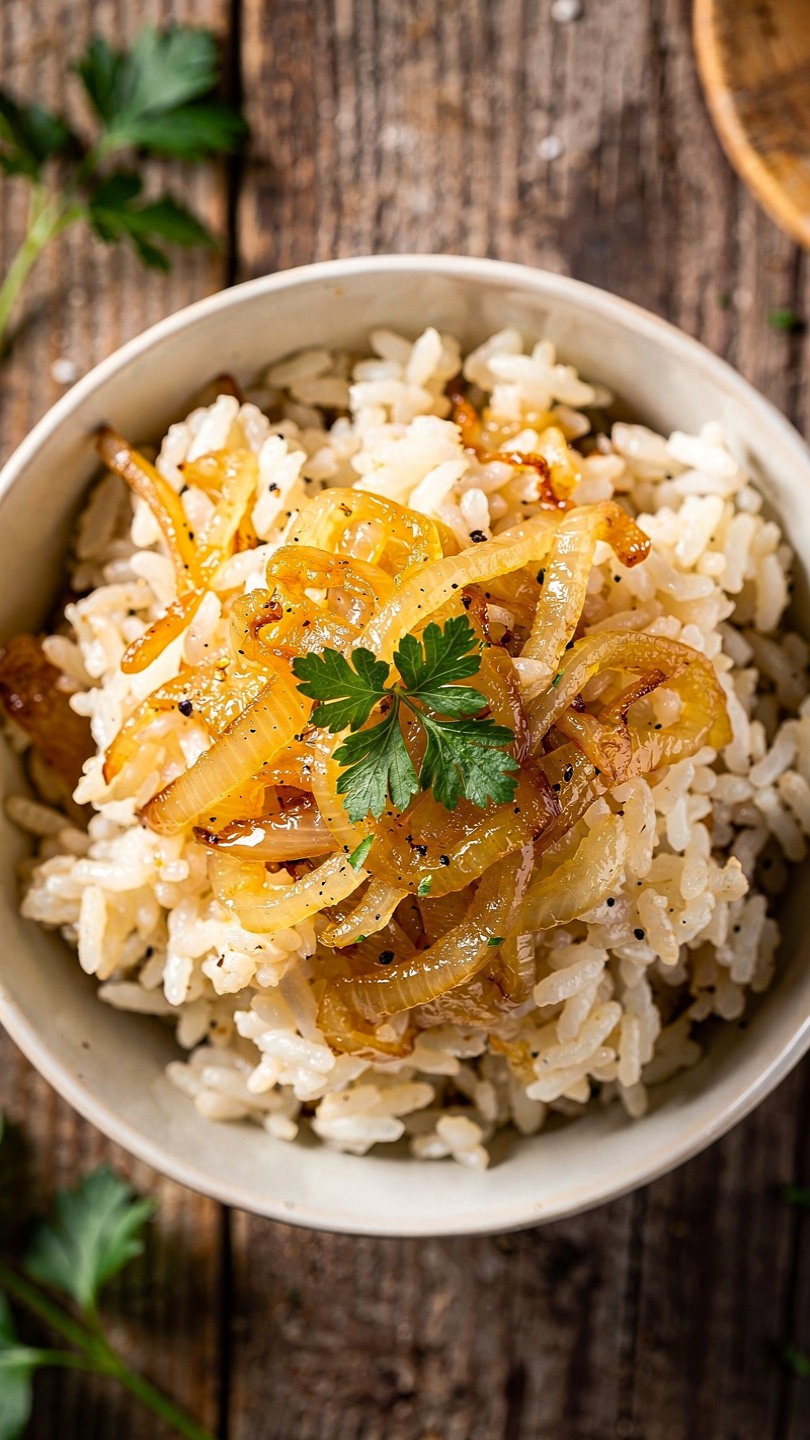
For plain Indian basmati rice, just ghee, salt, and water produce something far more fragrant than it sounds. Ghee adds a subtle nuttiness that butter alone cannot replicate.
For a masala rice recipe, bloom whole cardamom pods, cloves, a cinnamon stick, and a bay leaf in the ghee for about 60 seconds before adding the rice. Your kitchen will smell extraordinary. This same approach is the heart of many Arabic rice recipes and Middle Eastern rice recipes, sometimes with a pinch of allspice or turmeric added in.
For coconut rice, swap the water for full-fat coconut milk and skip the whole spices. A little lime zest stirred in at the end takes it somewhere tropical and bright.
Note: Remove whole spices before serving, or at least warn your guests. Biting into a whole clove is not a pleasant surprise.
Ready to get into the details? Here is the complete step-by-step recipe:
Perfect Basmati Rice (Stovetop Method)
Learn how to cook perfect basmati rice on the stovetop every single time, fluffy, fragrant, and never sticky. This foolproof method works for Indian, Middle Eastern, and coconut rice recipes alike.
Ingredients
- 2 cups basmati rice, rinsed and soaked for 30 minutes
- 3 cups water, or use light vegetable broth for extra flavor
- 1 tbsp ghee or unsalted butter, ghee preferred for authentic flavor
- 1 tsp kosher salt, adjust to taste
- 3 whole cardamom pods, lightly crushed, optional for masala-style rice
- 2 whole cloves, optional for Arabic or Indian spiced rice
- 1/2 cinnamon stick, optional, adds warm depth
- 1 bay leaf, optional, adds fragrance
Instruction
Rinse the basmati rice in a fine mesh strainer under cold running water until the water runs mostly clear, about 3 to 4 rinses. Transfer to a bowl, cover with cold water, and soak for 30 minutes. Drain well before cooking.
In a medium heavy-bottomed saucepan or pot with a tight-fitting lid, melt the ghee over medium heat. If using whole spices (cardamom, cloves, cinnamon, bay leaf), add them now and cook for 60 seconds until fragrant, stirring constantly.
Add the drained basmati rice to the pot and stir gently to coat every grain in the ghee. Toast the rice for 1 to 2 minutes, stirring, until the grains look slightly opaque.
Pour in the water and add the salt. Stir once to combine, then bring the mixture to a full boil over medium-high heat.
Once boiling, reduce the heat to the lowest setting, cover the pot tightly with the lid, and cook undisturbed for 15 minutes. Do not lift the lid during this time.
After 15 minutes, turn off the heat completely. Leave the pot covered and let the rice steam, off heat, for another 5 minutes. This step is essential for fluffy, non-sticky grains.
Uncover and use a fork to gently fluff the rice from the bottom up. Remove whole spices if used. Taste and adjust salt if needed, then serve immediately.
Equipment
- Medium heavy-bottomed saucepan with tight-fitting lid
- Fine mesh strainer
- Mixing bowl (for soaking)
- Fork (for fluffing)
- Measuring cups and spoons
Notes
Serving Ideas and Storage Tips
Perfect basmati rice is the kind of side dish that makes everything around it shine. Serve it alongside a rich curry, a simple dal, grilled kebabs, or roasted vegetables for a complete veg rice recipe. It is equally at home next to a slow-braised lamb shank or a bright, herb-heavy Middle Eastern salad.
To store: Cool the rice completely, then transfer to an airtight container and refrigerate for up to 4 days.
To reheat: A splash of water, a loose cover, and a minute or two in the microwave is all it takes. On the stovetop, a covered pan over low heat works just as well.
Do not reheat rice more than once, and always make sure it is piping hot all the way through before serving.