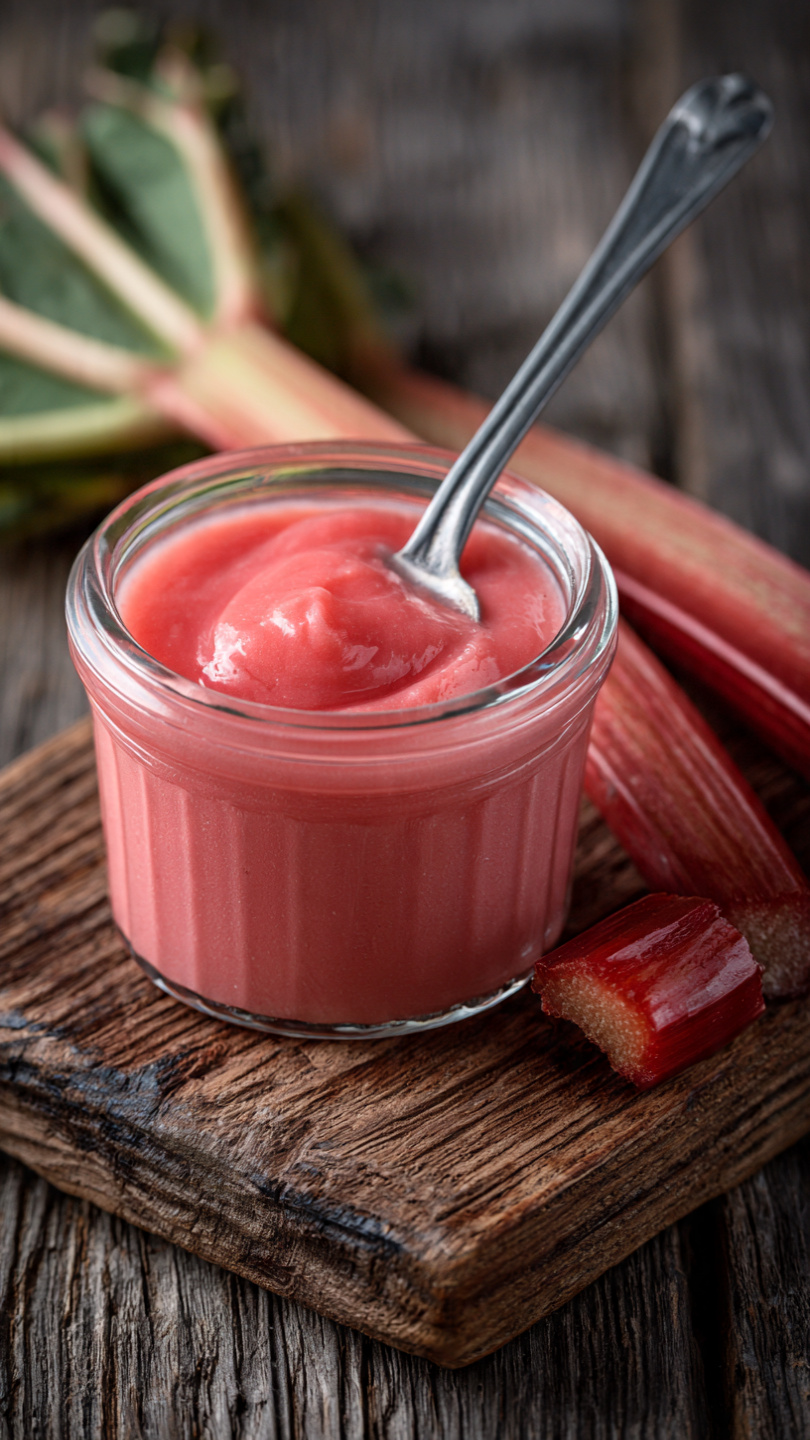
Silky Rhubarb Curd
This luscious rhubarb curd is tangy, silky-smooth, and beautifully pink. Spread it on toast, swirl it into yogurt, or use it as a dreamy cake filling.

The Little Jar of Spring You Never Knew You Needed
If lemon curd is the golden standard of fruit curds, then rhubarb curd is its rose-tinted, slightly rebellious sibling. It has that same silky, spoonable richness, but with a tartness that is entirely its own. Think bright, floral, and just sweet enough to make you reach for a second spoonful straight from the jar.
Rhubarb has a notoriously short season, and this curd is one of the best ways to preserve its fleeting magic. A few stalks, some eggs, butter, sugar, and about 30 minutes of your time will yield a jar of something truly special.
Why This Recipe Works
The secret to a great fruit curd is patience and a gentle, steady heat. Unlike pastry creams or puddings, curd relies on eggs as the only thickener. Cook them too fast over high heat and you get scrambled eggs. Cook them slowly over a double boiler and you get something utterly luxurious.
A few things that make this rhubarb curd stand out:
- Straining the rhubarb puree ensures a perfectly smooth, fiber-free base.
- Cold butter added off the heat gives the curd a glossy, velvety finish.
- A touch of lemon amplifies the natural brightness of the rhubarb without overpowering it.
Chef's Tip: The curd is ready when it coats the back of a spoon and holds a clear line when you drag your finger through it. If you have a thermometer, you are aiming for around 75 to 80 degrees C (170 degrees F).
Choosing Your Rhubarb
For the prettiest, blush-pink curd, seek out the reddest stalks you can find. Forced rhubarb (the bright crimson variety grown in darkened sheds in early spring) is especially gorgeous and slightly sweeter than field-grown stalks. That said, any rhubarb will deliver excellent flavor. Green stalks just yield a curd with a softer, more olive-pink hue rather than that Instagram-worthy rose tone.
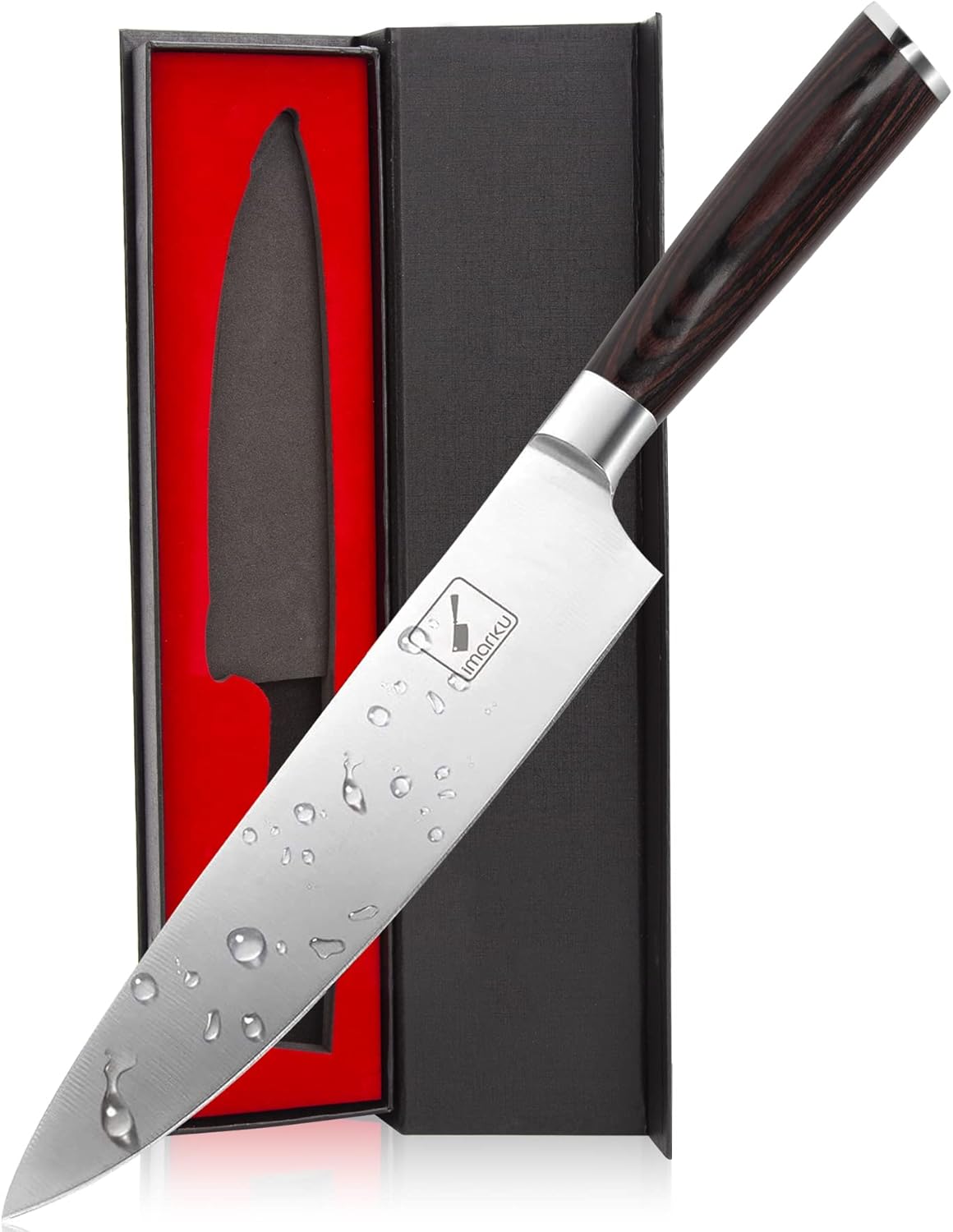
Using the right kitchen tools makes a real difference when making curds. A good heavy-bottomed saucepan, a fine mesh sieve, and a silicone spatula that can reach into every corner of the bowl are all worth having on hand.
Tools & Ingredients We Recommend


Ways to Use Rhubarb Curd
Once you have a jar of this in your fridge, you will find yourself reaching for it constantly. Here are some of the best ways to enjoy it:
- Spread on thick buttered toast or a warm scone straight from the oven.
- Swirled into Greek yogurt for a vibrant, tangy breakfast.
- Layered in a trifle or spooned between sponge cake layers.
- Dolloped onto pavlova alongside fresh strawberries and whipped cream.
- Stirred into buttercream for a stunning cake filling or frosting.
- Eaten directly from the jar with a teaspoon. No judgment here.
Ready to make a jar of your own? Here is everything you need:
Silky Rhubarb Curd
This luscious rhubarb curd is tangy, silky-smooth, and beautifully pink. Spread it on toast, swirl it into yogurt, or use it as a dreamy cake filling.
Ingredients
- 300 g fresh rhubarb stalks, trimmed and roughly chopped, about 3 medium stalks
- 3/4 cups granulated sugar, adjust to taste depending on tartness of rhubarb
- 3 large eggs, room temperature, beaten
- 4 tbsp unsalted butter, cut into small cubes, cold
- 1 tbsp lemon juice, freshly squeezed
- 1 tsp lemon zest, finely grated
- 1/8 tsp fine sea salt
Instruction
Place the chopped rhubarb in a small saucepan with 2 tablespoons of water. Cook over medium heat, stirring occasionally, for 8 to 10 minutes until completely soft and broken down.
Transfer the cooked rhubarb to a fine mesh sieve set over a bowl. Press firmly with the back of a spoon to extract as much juice and pulp as possible. Discard any remaining fibrous bits.
Measure out 120 ml (0.5 cup) of the strained rhubarb puree. Reserve any extra for another use.
Combine the rhubarb puree, sugar, beaten eggs, lemon juice, lemon zest, and salt in a medium heatproof bowl or the top of a double boiler.
Set the bowl over a saucepan of gently simmering water, making sure the bottom of the bowl does not touch the water. Cook, stirring constantly with a silicone spatula or wooden spoon, for 8 to 12 minutes until the curd thickens enough to coat the back of a spoon.
Remove from the heat and add the cold butter cubes a few at a time, stirring until each addition is fully melted and incorporated.
Pour the curd through a fine mesh sieve into a clean jar or bowl for an ultra-smooth result. Press a piece of plastic wrap directly onto the surface to prevent a skin from forming.
Refrigerate for at least 2 hours until fully set and thickened. The curd will continue to firm up as it cools.
Equipment
- Small saucepan
- Fine mesh sieve
- Heatproof mixing bowl
- Silicone spatula
- Medium saucepan (for double boiler)
- Clean glass jar or airtight container
- Instant-read or candy thermometer (optional)
Notes
Storing and Gifting
Rhubarb curd keeps beautifully in the fridge for up to 2 weeks in a clean, sealed jar. It also freezes surprisingly well for up to 3 months, making it a wonderful way to capture spring rhubarb for a midwinter treat.
It also makes a genuinely thoughtful homemade gift. Pour it into small sterilized jars, tie a ribbon around the lid, and you have something far more personal than anything you could find in a shop.