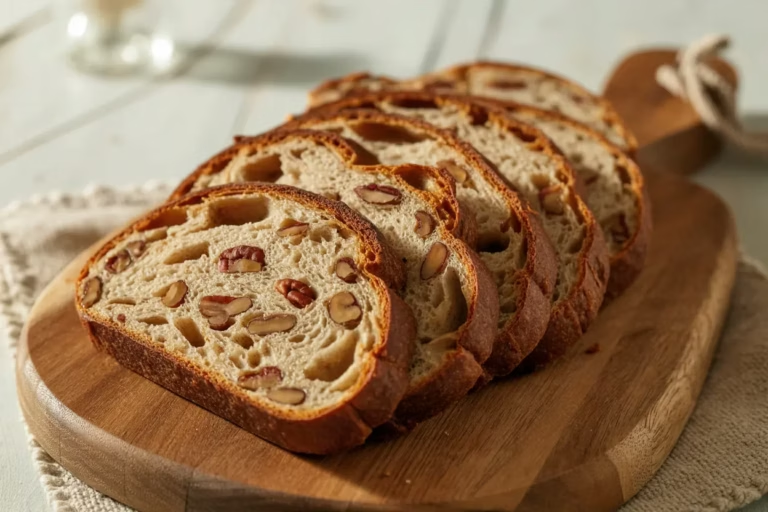
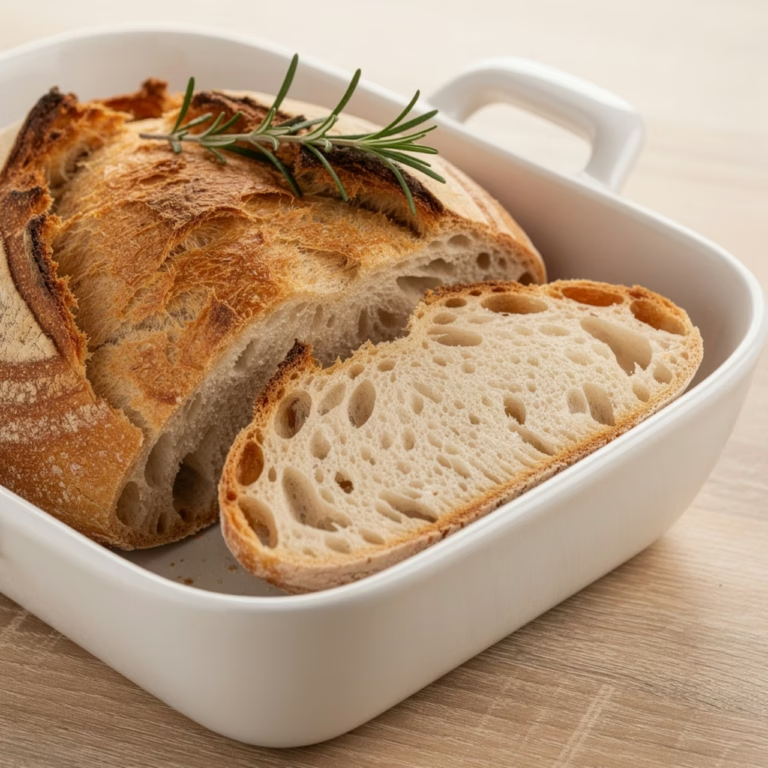
Best Homemade Potato Bread – Soft, Fluffy & Irresistible
There is something deeply comforting about pulling a golden loaf of homemade potato bread from the oven. The kitchen fills with a warm, yeasty aroma, and before the bread has even cooled, you already know it is going to be extraordinary. Potato bread has been a staple in home kitchens for generations, and for good reason: the addition of cooked potato creates a crumb that is impossibly soft, slightly chewy, and rich in a way that plain white bread simply cannot match. Whether you slice it thick for toast, shape it into pillowy bread rolls, or use it as the base for your favorite sandwich, this loaf delivers every single time.
What makes this recipe truly special is its versatility. You can adapt it into a tangy sourdough potato bread by incorporating a sourdough starter, or keep things simple and classic with instant yeast. The rustic, golden crust and cloud-like interior make it feel like something from an artisan bakery, yet it comes together with ingredients you likely already have on hand. If you have ever wondered how rustic bread gets that satisfying chew and bakery-quality texture, the secret is almost always potatoes.
What Makes This Recipe Special
- Incredibly soft crumb: The starch in potatoes keeps the bread moist for days longer than a standard loaf, meaning less waste and more enjoyment.
- Beginner-friendly technique: No stand mixer required. A little patience and a warm kitchen are all you need to get a beautiful rise every time.
- Naturally adaptable: From rustic potatoes mashed the old-fashioned way to quick-dissolving potato flakes from your pantry, this recipe works with what you have.
- Crowd-pleasing flavor: Mild, slightly sweet, and deeply satisfying, this bread pairs beautifully with everything from butter and jam to hearty soups and stews.
Essential Ingredients
- Russet potatoes (or potato flakes): About 1 cup of mashed rustic potatoes or instant potato flakes adds moisture and a tender crumb to the finished loaf.
- All-purpose flour: Four cups give the bread structure and a soft, pillowy texture. Bread flour can be substituted for extra chew.
- Active dry yeast: One packet (2 and a quarter teaspoons) provides the lift that makes this loaf so airy and light.
- Warm milk: Half a cup of milk warmed to around 110°F activates the yeast and adds richness.
- Unsalted butter: Two tablespoons of softened butter folded into the dough creates a tender, flavorful crumb.
- Eggs: One large egg adds structure and a beautiful golden color to the crust.
- Sugar: One tablespoon feeds the yeast and adds a subtle sweetness that balances the earthy potato flavor.
- Salt: One and a half teaspoons of kosher salt seasons the dough throughout.
- Warm water: About half a cup to bring the dough together and control its consistency.
Using quality tools and fresh ingredients makes a real difference when working with yeasted doughs. A reliable kitchen scale and a sturdy mixing bowl can mean the difference between a dense loaf and a perfectly risen one.
Ready to bake? Here’s the complete recipe:

Homemade Potato Bread
Equipment
- Large mixing bowl
- 9x5 inch loaf pan
- Wire cooling rack
- Potato masher
- Pastry brush
Ingredients
- 1 cup russet potato, mashed and cooled (or instant potato flakes prepared) about 1 medium potato, boiled and mashed smooth
- 4 cups all-purpose flour plus extra for kneading
- 2.25 tsp active dry yeast one standard packet
- 0.5 cup warm milk approximately 110°F
- 0.5 cup warm water approximately 110°F
- 2 tbsp unsalted butter softened to room temperature
- 1 large egg plus one extra for egg wash
- 1 tbsp granulated sugar
- 1.5 tsp kosher salt
Instructions
- Peel and cube one medium russet potato and boil in salted water for 15 minutes until completely tender. Drain well, reserving a quarter cup of the cooking liquid, and mash until completely smooth. Allow to cool to room temperature. If using potato flakes, prepare one cup according to package directions and cool completely.
- In a large mixing bowl, combine the warm water and warm milk. Sprinkle in the yeast and one teaspoon of the sugar. Stir gently and let stand for 5 to 10 minutes until the mixture looks foamy. If no foam develops, the yeast may be expired and should be replaced.
- Whisk the egg, softened butter, remaining sugar, and cooled mashed potato into the yeast mixture until well combined. The mixture may look slightly lumpy, which is perfectly normal at this stage.
- Add the flour and salt to the bowl one cup at a time, stirring well after each addition. Once the dough becomes too stiff to stir, turn it out onto a lightly floured surface and begin kneading by hand.
- Knead the dough for 8 to 10 minutes until it is smooth, elastic, and slightly tacky but does not stick to your hands. It should spring back slowly when poked gently with a finger. Avoid adding excess flour, which can lead to a dry, dense loaf.
- Shape the dough into a ball and place it in a lightly oiled bowl, turning to coat all sides. Cover with a damp towel or plastic wrap and let rise in a warm, draft-free spot for 1 to 1.5 hours until doubled in size.
- Punch down the risen dough gently to release the gas. Turn it out onto a lightly floured surface and shape into a tight log. Place seam-side down into a greased 9x5 inch loaf pan.
- Cover the pan loosely and allow the dough to rise again for 45 minutes to 1 hour until it crowns about one inch above the rim of the loaf pan. Preheat the oven to 375°F (190°C) during the last 20 minutes of this rise.
- Brush the top of the loaf with a light egg wash made from one beaten egg mixed with a tablespoon of water. Bake for 30 to 35 minutes until the top is deeply golden and the loaf sounds hollow when tapped on the bottom. An internal temperature of 190°F confirms the bread is fully baked.
- Transfer the loaf to a wire cooling rack and allow to cool for at least 20 minutes before slicing. Cutting too early will compress the crumb and cause a gummy texture. Serve warm or at room temperature.
Notes
Make It Your Own
- Sourdough Potato Bread: Replace the active dry yeast with half a cup of bubbly sourdough starter for a tangy, complex flavor. Extend the rise time to allow the natural fermentation to develop fully.
- Herb and Garlic Loaf: Fold two teaspoons of dried rosemary and three minced garlic cloves into the dough during the second knead for an aromatic, savory twist.
- Potato Bread Rolls: Divide the dough into twelve equal portions after the first rise, shape into rounds, and bake in a buttered 9×13 pan for soft, pull-apart rolls perfect for dinner tables and holidays.
- Whole Wheat Version: Substitute up to half the all-purpose flour with whole wheat flour for a heartier, nuttier loaf with more fiber and a slightly denser crumb.
How to Make Homemade Potato Bread
- Cook and mash the potatoes: Peel and cube one medium russet potato, then boil in salted water for about 15 minutes until completely tender. Drain well, reserving a quarter cup of the cooking liquid, and mash until completely smooth with no lumps. Alternatively, prepare one cup of instant potato flakes according to package directions. Allow to cool to room temperature before using.
- Activate the yeast: In a large mixing bowl, combine the warm water and warm milk. Sprinkle in the yeast and one teaspoon of the sugar. Stir gently and let stand for 5 to 10 minutes until the mixture looks foamy and fragrant. If it does not foam, your yeast may be expired.
- Combine the wet ingredients: Whisk the egg, softened butter, remaining sugar, and mashed potato into the yeast mixture until well incorporated. The mixture will look slightly lumpy but that is perfectly fine.
- Add flour and salt: Add the flour and salt to the bowl one cup at a time, stirring after each addition until a shaggy dough forms. Once the dough is too stiff to stir, turn it out onto a lightly floured surface.
- Knead the dough: Knead for 8 to 10 minutes by hand, pushing and folding the dough until it becomes smooth, elastic, and slightly tacky but not sticky. It should spring back when you poke it gently.
- First rise: Shape the dough into a ball and place it in a lightly oiled bowl, turning to coat all sides. Cover with a damp towel or plastic wrap and let rise in a warm, draft-free spot for 1 to 1.5 hours until doubled in size.
- Shape the loaf: Punch down the risen dough gently to release the gas. Shape it into a tight log and place it seam-side down into a greased 9×5 inch loaf pan. Alternatively, shape into individual bread rolls.
- Second rise: Cover loosely and allow to rise again for 45 minutes to 1 hour until the dough crowns about one inch above the rim of the pan.
- Bake to golden perfection: Preheat your oven to 375°F (190°C). Brush the top of the loaf with a light egg wash for a glossy, deep-golden crust. Bake for 30 to 35 minutes until the top is richly browned and the loaf sounds hollow when tapped on the bottom. An internal temperature of 190°F confirms it is done.
- Cool before slicing: Transfer the loaf to a wire rack and allow it to cool for at least 20 minutes before cutting. Slicing too early causes the interior to become gummy.
Expert Tips
- Temperature matters for yeast: Water or milk that is too hot will kill the yeast before it has a chance to work. Aim for 105°F to 115°F, which should feel comfortably warm on your wrist.
- Do not skip the second rise: The second proof develops flavor and gives the bread its signature light, airy texture. Rushing this step results in a dense, heavy loaf.
- Dry your potato well: Excess moisture from under-drained mashed potato can throw off the flour-to-liquid ratio. Let the mash cool uncovered for a few minutes to allow steam to escape.
- Avoid adding too much flour: The most common mistake with potato bread is a tough, dry crumb caused by over-flouring during kneading. The dough should feel tacky but should not cling to your hands. Trust the process.
Serving Suggestions
- Slice thick and toast until golden, then spread generously with salted butter and a drizzle of local honey for a simple breakfast that feels indulgent.
- Serve alongside a bowl of tomato soup or classic French onion soup for a cozy, satisfying lunch pairing.
- Use slices as the foundation for a grilled cheese sandwich. The starchy crumb crisps up beautifully in a buttered skillet.
- Shape the dough into rustic bread rolls and serve warm from the oven alongside a holiday roast or weeknight pasta dinner.
- Layer thick slices with avocado, a poached egg, and red pepper flakes for an elevated brunch plate that looks as good as it tastes.
How to Store
- Room temperature: Wrap the cooled loaf tightly in plastic wrap or store in a zip-lock bag at room temperature for up to 3 days. Keeping it in a bread box helps maintain the crust’s texture.
- Refrigerator: Not recommended for long-term storage, as refrigeration tends to dry out bread quickly. If needed, wrap tightly and consume within 5 days.
- Freezer: Slice the loaf completely before freezing. Place parchment paper between slices, then transfer to a freezer-safe bag for up to 3 months. Slices can be toasted directly from frozen.
- Reheating: Warm individual slices in a toaster or a 300°F oven for 5 to 8 minutes to restore softness. For a whole loaf, wrap in foil and warm at 325°F for 15 to 20 minutes.
Frequently Asked Questions
Can I use instant potato flakes instead of real potatoes?
Absolutely. Potato flakes are a convenient and reliable substitute that work beautifully in this recipe. Use one cup of prepared flakes in place of freshly mashed rustic potatoes. The texture and flavor will be very similar.
Can I make this into a sourdough bread?
Yes. To make sourdough potato bread, swap the active dry yeast for half a cup of active sourdough starter. Reduce the water slightly to compensate for the added hydration, and plan for a longer bulk fermentation of 4 to 8 hours depending on the strength of your starter.
Why did my bread not rise properly?
The most likely culprit is inactive yeast. Always proof your yeast first by checking for foam before adding other ingredients. Other causes include a kitchen that is too cold or dough that was too hot when the yeast was added.
Can I make bread rolls with this same dough?
Definitely. This dough is wonderful for soft bread rolls. Simply divide into 12 equal pieces after the first rise, shape into balls, and arrange in a buttered baking pan. Bake at 375°F for 20 to 25 minutes until golden.
Wrapping Up
Homemade potato bread is one of those recipes that quietly becomes a household staple. Once you experience the difference that a simple cup of mashed potato makes in a loaf’s texture and shelf life, it will be hard to go back to anything else. Whether you are baking a classic sandwich loaf, experimenting with sourdough potato bread, or shaping the dough into rustic bread rolls, this recipe has all the flexibility and warmth of a true home-kitchen classic. Bake a loaf this weekend, share it with someone you love, and enjoy every soft, golden slice.